


Start Racing Now! From Spectator to Competitor!
Share this
Getting involved in motorcycle racing is easier than you think. “How can I go racing?” and “How can I get my picture featured in InsideRACING?” are probably the two most common questions you ask yourself. Well, getting your action shot or name on these pages is possible as anybody can go racing. All you need is your bike. This article is based on our research and observation that we hope can guide a few daring Filipinos who want to be part of the exciting racing world and achieve success.
Here are some inexpensive race disciplines you can get into during your weekends.
Drag Racing
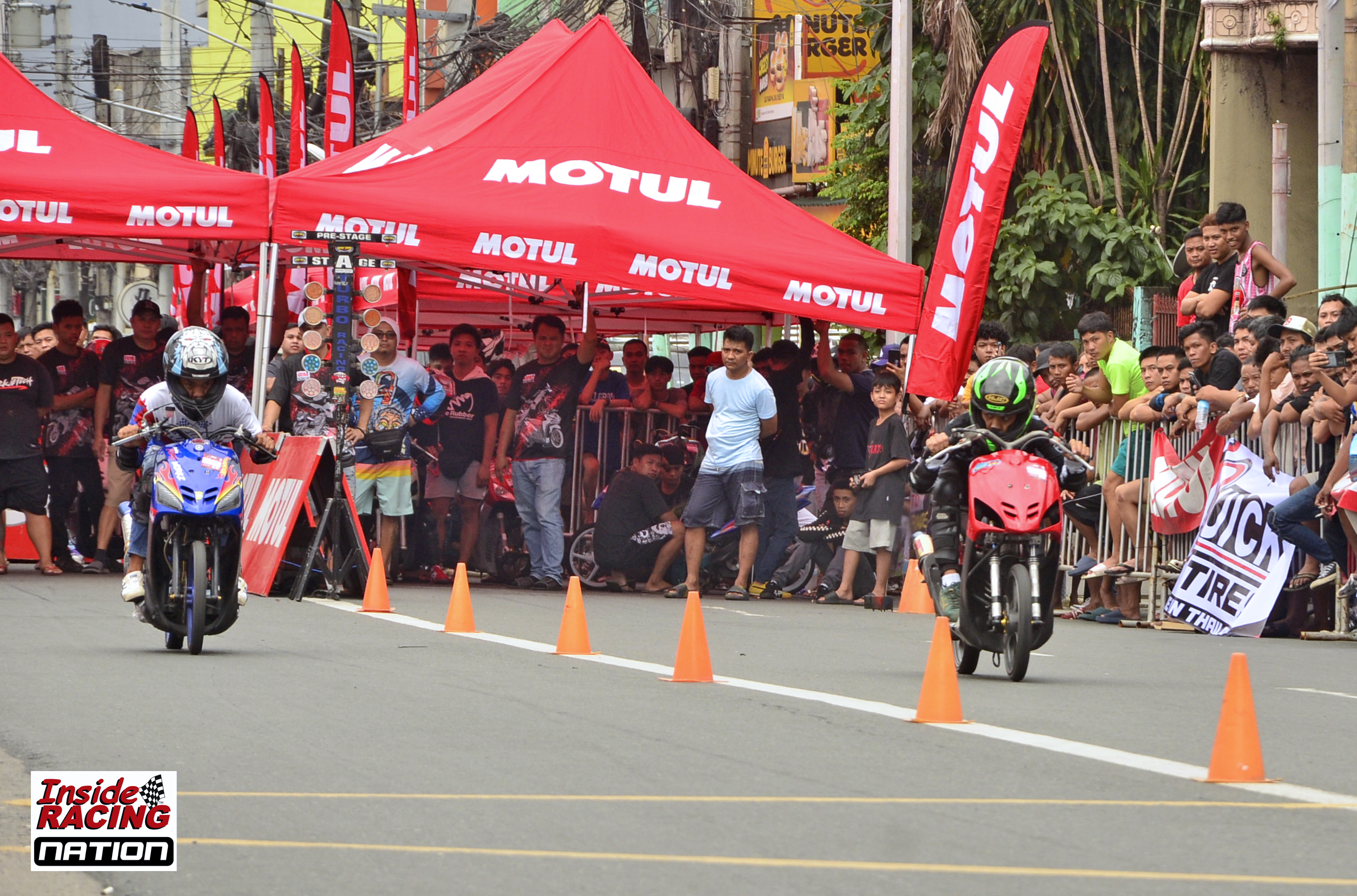
The original grassroots racing is drag racing. It is the easiest and cheapest way to go racing. The competition is simple and easy to understand: you line up against another bike, wait for the start signal, and then race down the quarter mile strip. The first rider across the line wins. Sadly, however, because of its simplicity, drag racing is also the most popular of illegal racing that result in accidents or even death. Be aware that it is not the act of racing that makes this activity dangerous but the participants who do not observe safety. Racing on open public roads without using safety gears is not racing at all. In fact, it is suicidal. So if you want to enjoy racing and live linger, you need to join organized legal drag racing. All you need to have is your bike in good and safe running condition, plus a minimum of safety gears that include a certified helmet, body armor and adequate hands, feet and knees protection. Naturally, the faster your bike or class, the higher level of safety gears you need to wear. There are plenty of “invitationals” or special events around the country. Also, class rules vary from place to place so make sure you know them before you join. Drag racing is enjoyable and even addictive; participate only in organized events and you’ll love it.
Circuit Racing
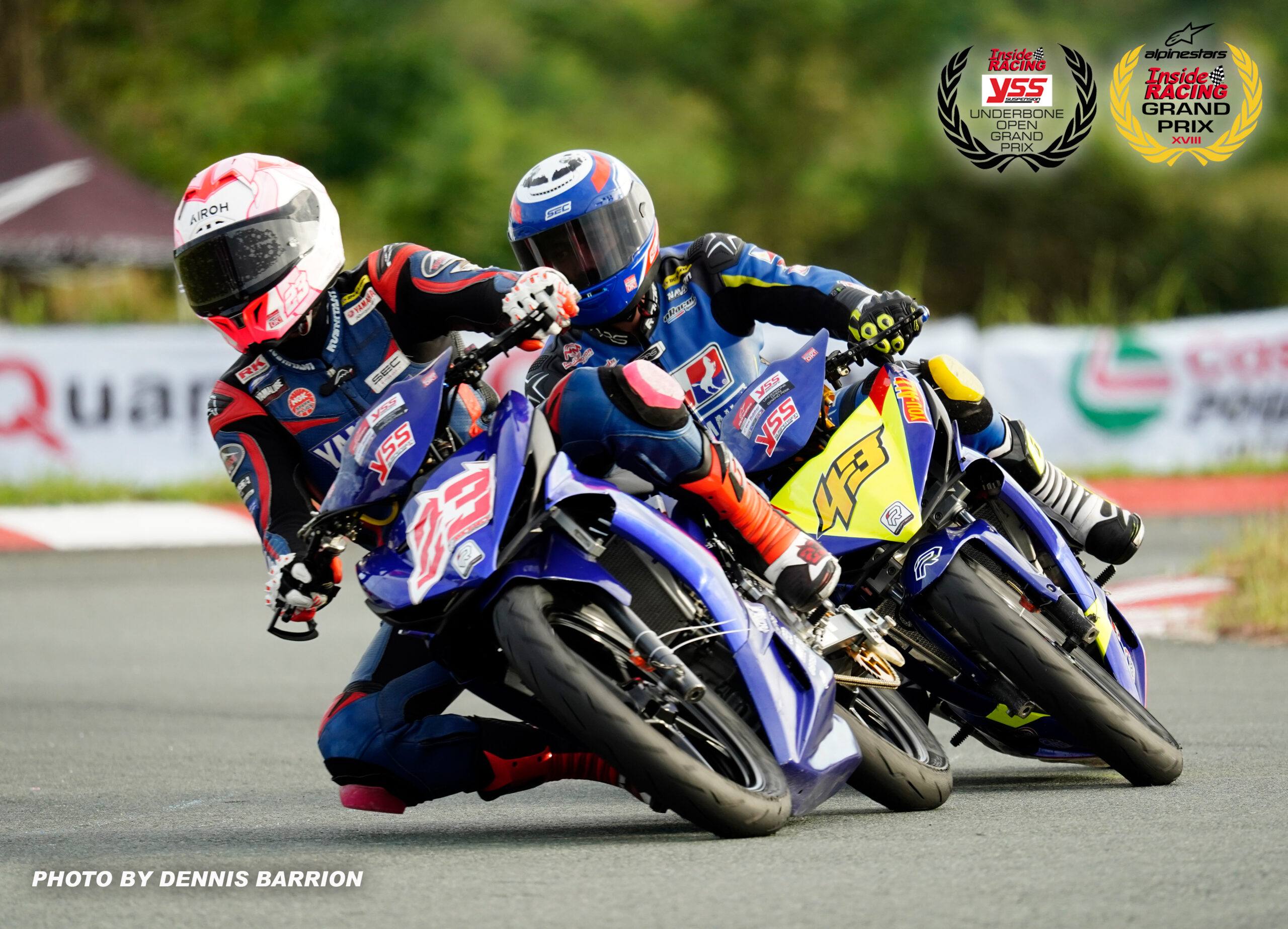
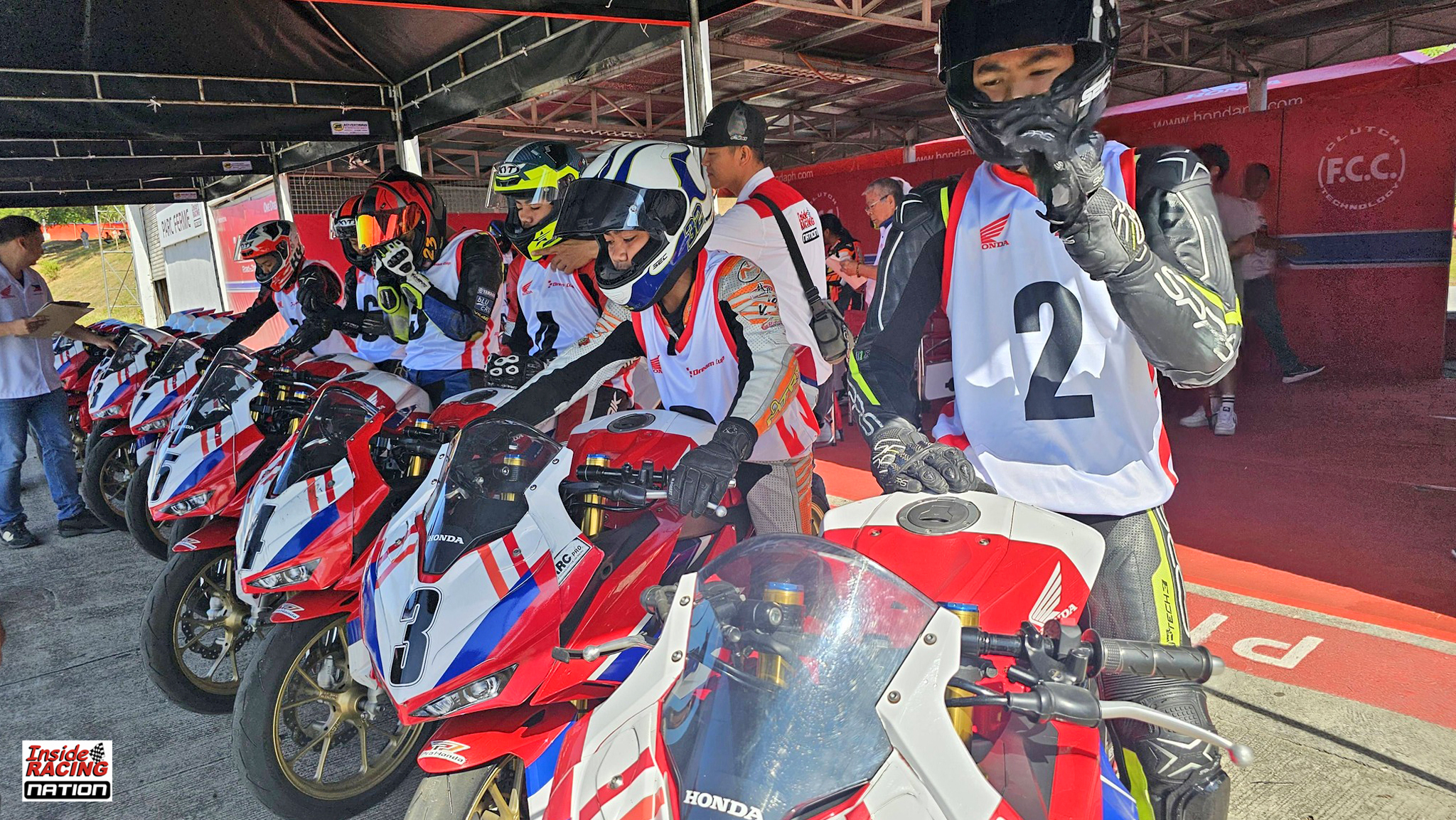
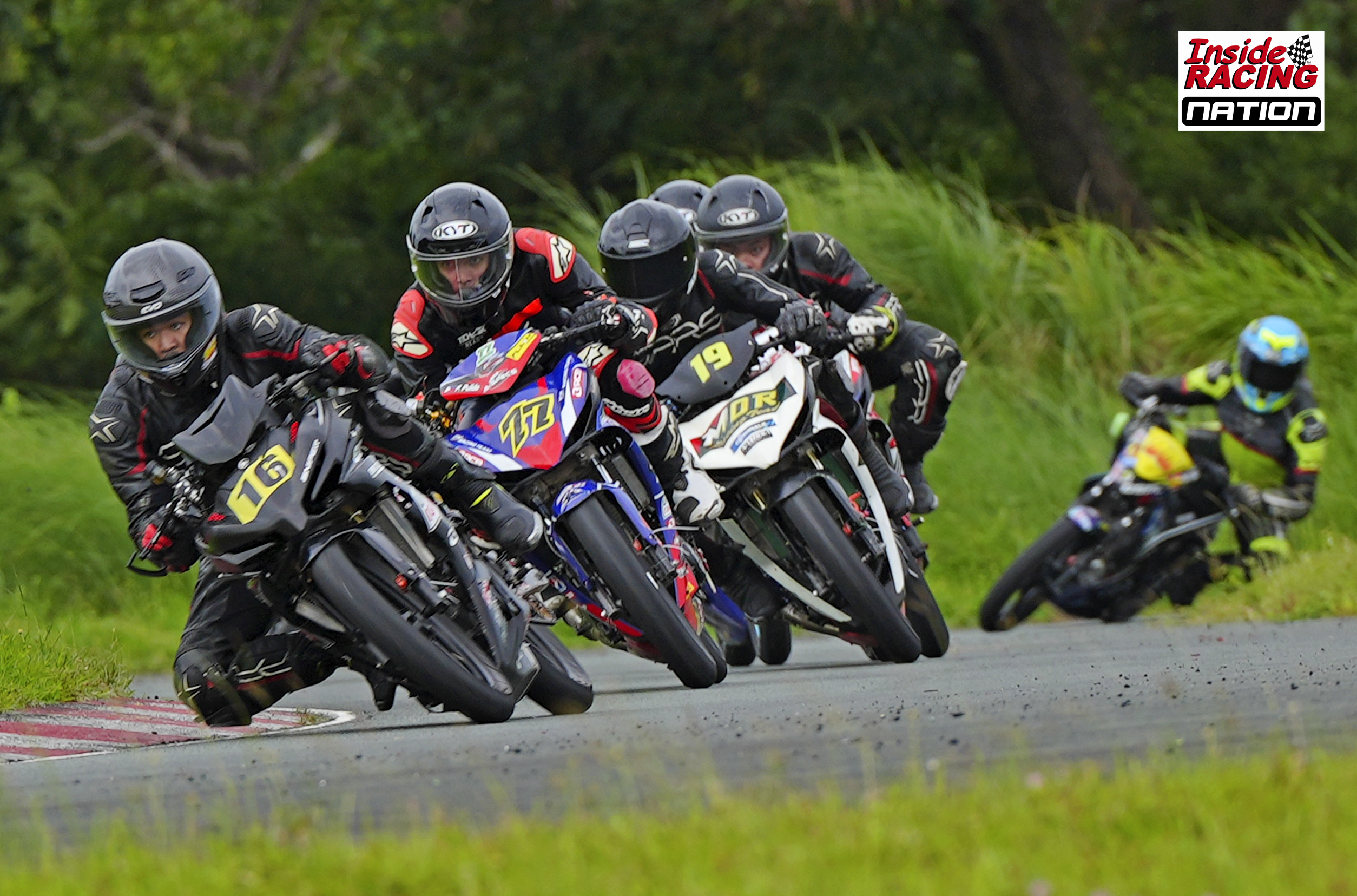
If you like the idea of riding around a track at high speeds with 10 or so other riders, then circuit racing is for you. This is the fastest growing form of non-off-road racing today. Circuit racing gives the excitement of wheel-to-wheel competition. Races are usually held at permanent tracks like the Tarlac Circuit Hill or temporary road courses. Riders divided into classes depending on their motorcycle type and skills level line up for start and run together in a number of laps. There are marshals all round the track to monitor safety and the riders are scored when they cross the start/finish line. The rider who crosses the line first after the prescribed number of laps wins. You will need to have a lot of practice and coaching before you can go circuit racing. Even by yourself, it takes so much effort and skill to lap around on your motorcycle in a safe, fast and consistent pace. Besides proper training, you’ll also need more safety gears like boots and leather suit, back protector et cetera. Your machine will also require more preparation like rear sets, race tires and safety wiring. Also, crashing during a race is almost a given and will require repairs to damage parts. Circuit racing can be very fun and rewarding, but it can also cost more. There are many race series right now including the Motul MotoIR Championship, Motul Super Series Nationwide Championship, Petron Sprint IR Club Races, Petron Scooter Grand Prix and RepsolCFV organized by InsideRACING and all of them have Beginner classes on stock motorcycles. Read the rule book, understand the race flags and talk with other riders before joining or buying equipment. This will help you avoid problems later on and hasten your learning curve.
Gymkhana
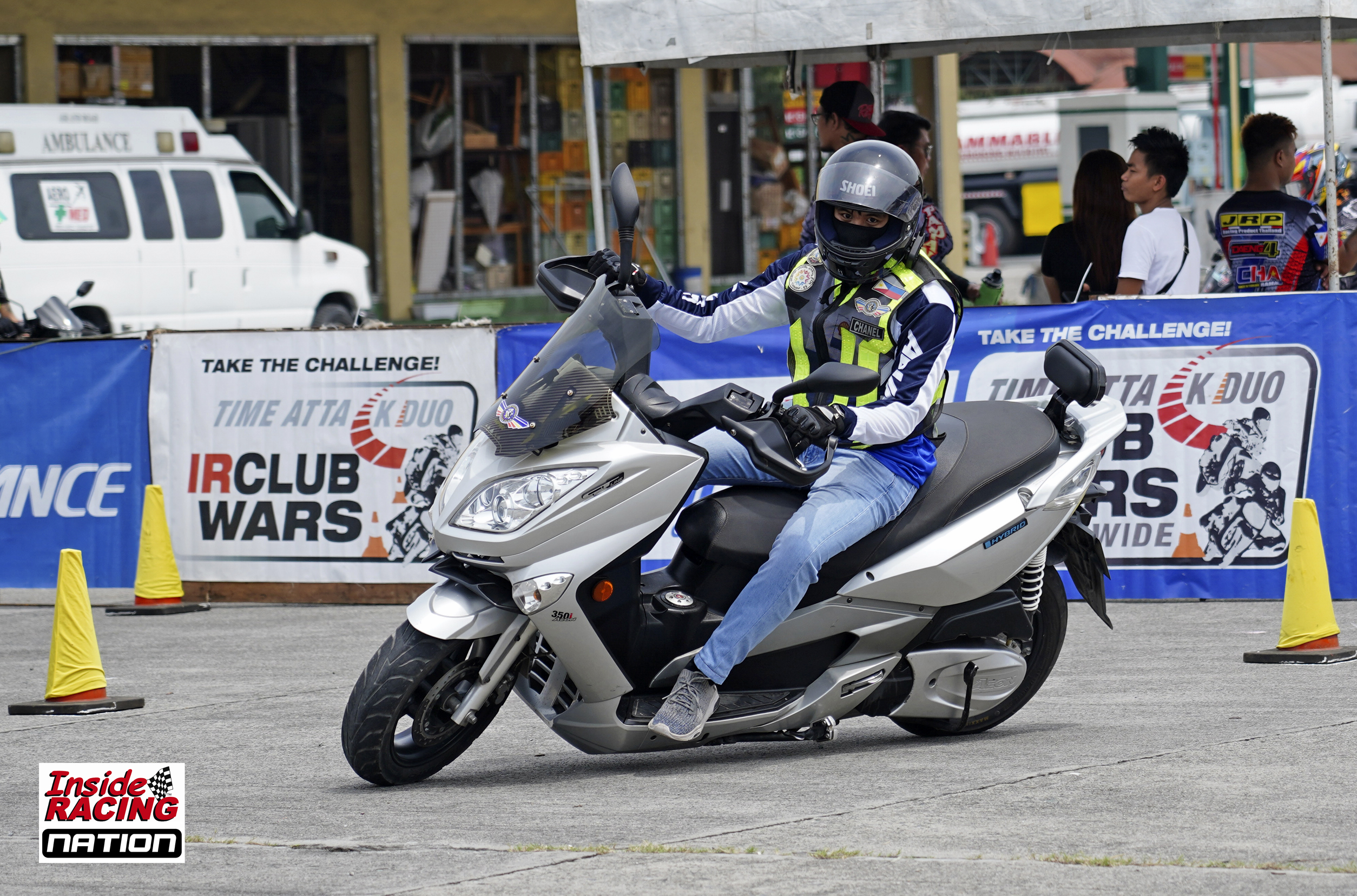
If going fast in a straight line bores you and you want to hone your turning skills, there is another cheap way to go racing. Gymkhana is a low-speed, one-bike-at-a-time timed event that is often held in a parking lot. A track is marked out with pylons, and the object of the event is to see who navigate through the course fastest. A typical course will take between 1 minute to 2 minutes to complete and competitors generally get three or four runs per event. The person with the lowest time wins. Gymkhana may sound easy, but it’s not. For very cone that you hit, a time penalty of usually 2 seconds is added to your time (which is very substantial!). Speeds rarely exceed 100kph and the emphasis here is placed more on riding skills than horsepower. Because of the low competition speeds, safety is high while wear and tear on the bikes and rider is low. As long as your bike is not leaking any fluids and has working brakes you are permitted to join, provided that you wear the proper safety gears like helmet and padding. Unfortunately, there is no regular Gymkhana event to go compete in. So far, only a few events are organized like the IR Club Wars in the past years but if ever a series will be established again, this is one way to get into competition that involves turning the bike.
Pocketbike Racing
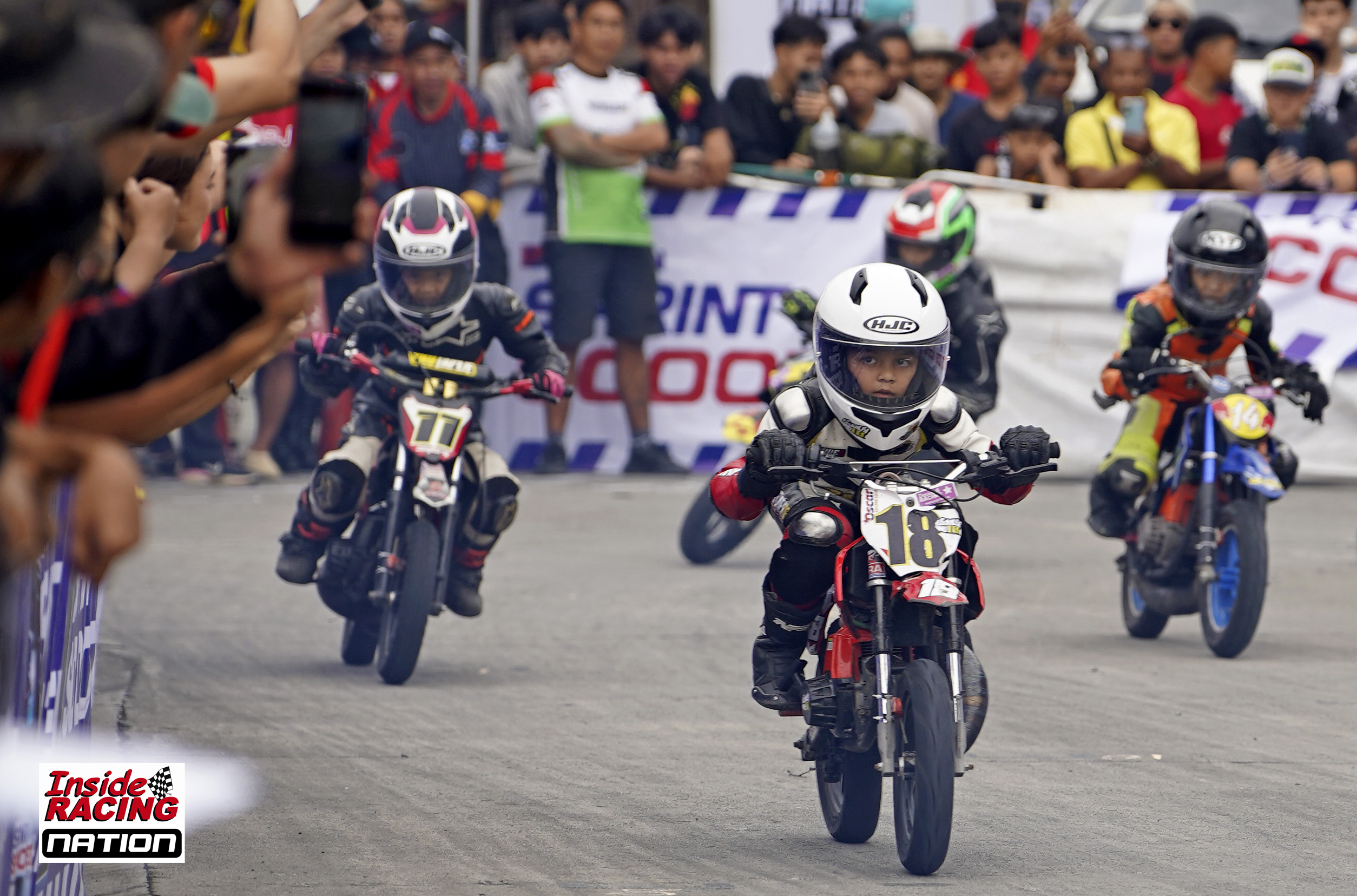
Some may consider this kid stuff but in Europe, Japan and USA, pocketbike racing has now become a common way for riders to begin their racing careers at a very young age. Pocketbike competitions have become a starting point for Grand Prix racers like Valentino Rossi. Locally, the sport has brought us racing stars like McKinley Kyle Paz, Gian Carlo Mauricio, Dashi Watanabe and John Emerson Inguito. For competition and excitement, pocketbikes are hard to beat. The small size of the pocketbike heightens its responsiveness, raising the level of excitement to that of full-sized bikes. A larger motorcycle can appear to be in slow motion compared to a pocketbike. This is part of the reason why racers who move from pocketbikes to full-scale underbones or scooters perform so well. If you become skilled at riding a pocketbike, you will be a force to be reckoned with on any motorcycle. Naturally, the expense of racing involved is smaller as you can purchase a pocketbike for even less money than an underbone. Currently, the IR Club Races and IR Scooter Grand Prix both presented by Petron Sprint Scooter run pocketbike classes and the participants are increasing.
MiniGP Racing
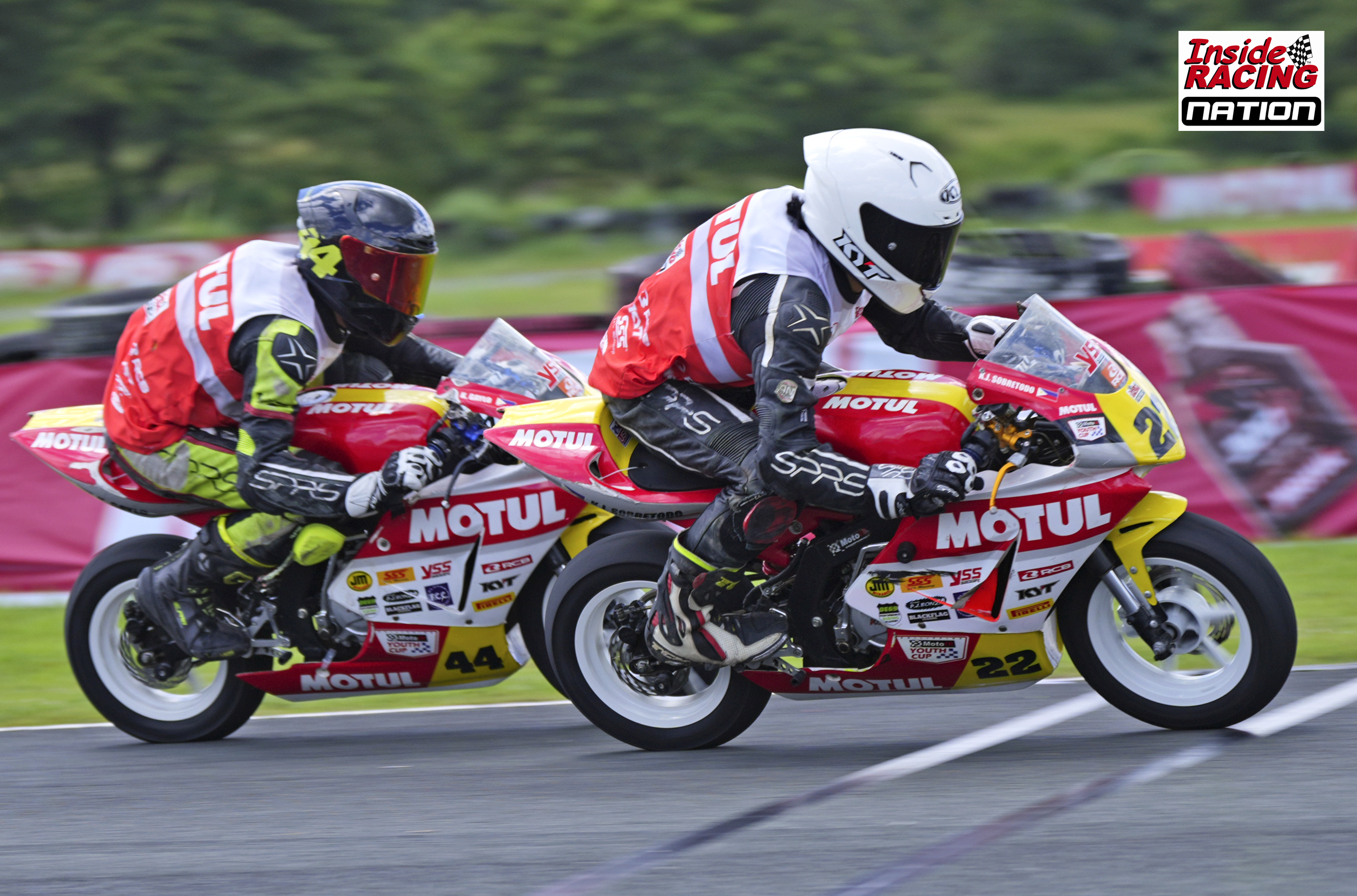
MiniGP racing is now popular all over the globe and used as a training tool for riders of all ages,whether they are young riders who want to learn at a faster rate, or older and mature riders who which to live out their dreams of road racing at an affordable cost. The MiniGP has made it all possible.The Motul MotoIR Youth Cupspec bike is the Kayo MiniGP MR150 designed to train serious race riders globally. It is powered by a reliable 150cc engine based on a Japanese design and sealed by IR for parity.It is a scaled down GP bike with a stiff twin- spar chassis, upside down fork, clip on handle bars, massive triple clamps, disc brakes front and rear, rear set controls with 1 up 4 down race shift pattern, upgraded NIBBI race carburetor, race fuel tank and race fairings that can be a canvass for your team colors or favorite race replicas. The bike offers bike handling and responses very similar to higher powered and more expensive race bikes. The concept is similar to the YSR50 and NSR50 mini bikes of the past which 500cc and MotoGP riders used to hone their skills.It is probably one of the least costs per hour of quality track/race time with minimal bike preparation. Focus will be more on riding time and improving riding skills and, of course, having fun!The Motul MotoIR Youth Cup riders development series is organized by InsideRACING.